
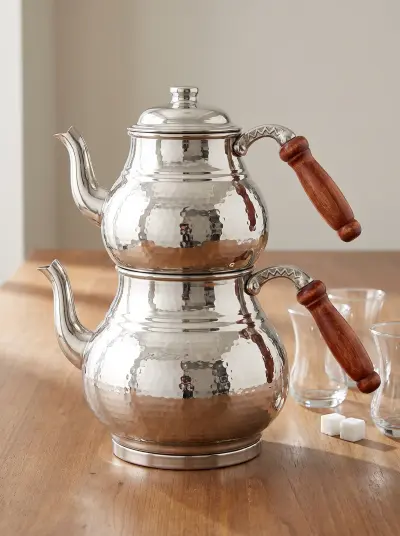
Klasik Copper Turkish Double Teapot — No. 3, light gauge, hand-hammered, nickel-plated
TC10060-2
Tin lined copper vs stainless lining: melting point, cooking behaviour, retinning, cleaning rules and total cost of ownership, for buyers drafting a spec.
Browse the range, add the pieces you need to your quote list and ask for prices in one message. No account, no online prices.
Choosing between a tin lining and a stainless steel lining is an operating decision, not a safety one. Tin melts at 232 degrees Celsius, can be renewed and interferes least with copper conduction. Stainless sits far above the kitchen range and never needs redoing, but cannot be repaired. The right answer follows the job the pan does.
Both linings exist to do the same thing: put a non-reactive surface between food and the copper body. What differs is how they are made, and therefore what they cost the buyer over the life of the pan.
Tinning is hand work. The interior is cleaned mechanically, the surface is prepared with a flux, the body is heated over a flame and molten tin is poured in and spread by hand with cotton wadding. The tin bonds to the copper and leaves a thin, continuous layer measured in microns. Thickness is not the quality criterion here, continuity is: no gap at the rim roll, in the base corner or behind the handle joint. Tinning is still a working trade in the Turkish copper clusters, and part of the Trabzon cluster both tins new production and re-tins pans already in service. The lining decision and the supplier decision are therefore the same decision.
Stainless cladding is a production step. A thin stainless layer is formed together with the copper body or permanently bonded to its interior, producing a wall in which the two metals are inseparable. The layer cannot be removed, cannot be renewed and does not change thickness in service.
That contrast explains everything that follows: one lining is a consumable, the other is a permanent part of the product. Whether a lined copper pan is safe at all is a separate question, answered in the health and safety guide; this article starts after that threshold and asks which lining to buy.
Tin melts at 232 degrees Celsius. This is a physical property of the metal, and it has two practical consequences. Normal cooking does not reach it: in a pan holding liquid food the contents cannot exceed the boiling point of the liquid, which sits far below the tin limit. And the scenarios that do cross it are known and predictable, namely an empty pan left on high heat, very high temperature frying, sugar work and long spells in a hot oven.
A stainless lining tolerates temperatures well above anything a commercial kitchen produces; thermal damage to the lining is not a scenario buyers need to plan around.
| Criterion | Tin lining | Stainless lining |
|---|---|---|
| Heat limit | Tin melts at 232 degrees Celsius; never heat empty | Well above the working kitchen range |
| Application | Molten tin spread by hand onto a heated body | Steel layer permanently bonded during manufacture |
| Renewal | Repairable; re-tinned in a workshop when worn | Not repairable; damaged lining ends the pan |
| Best fit | Sauces, wet cooking, low and medium heat, traditional forms | High volume service lines, high heat, hard cleaning regimes |
The procurement reading is that the division of labour in the kitchen decides the lining. Searing and frying stations are built with stainless lined pans; sauce work, wet cooking and medium heat stay with tin. Running both linings in one kitchen is the correct setup, not an inconsistency; the mistake is forcing one lining onto every job.
Copper earns its place in a professional kitchen through conductivity. Heat spreads evenly across the base and the pan responds within seconds when the flame is cut. A lining does not remove that behaviour, but it modifies it.
A tin layer is microns thick and conducts reasonably well, so it puts no meaningful barrier in front of the copper body. What a cook feels in a tin lined pan is the copper itself: soft, even, fast to respond.
Stainless conducts heat far more poorly than copper. Because the layer is thin it does not defeat the body's ability to distribute heat, but it does insert a slower-conducting film between food and copper. Where that shows up matters more than the fact that it exists: it shows up in delicate work and mostly does not show up in everyday work. Sugar work, emulsified sauces and dairy preparations prone to catching are where cooks notice it. In stock, boiling, braising and long simmering, no kitchen will identify a difference.
One variable outranks the lining entirely and belongs higher in the specification: wall gauge. Professional use typically expects a 2-3 mm wall, and a thin-gauge pan produces hot spots whatever it is lined with. Constraints on the heat source side are separate; kitchens running induction should read the induction compatibility guide before either decision.
This is the real economics of the lining decision and it is usually the part missing from the buying file. Tin is a consumable layer: it wears, it is used up, and it is replaced. Stainless is not consumed, but when it is damaged the product itself is finished.
Any fixed retinning interval quoted to you is a guess. Frequency depends on usage intensity, the acidity of what is cooked, the heat regime and cleaning habits, and a pan turning several services a day does not share a schedule with a serving piece used weekly. The correct approach is routine visual inspection plus spare units, so a worn pan is never the only pan available. What wear looks like is set out in the tin lining care module.
The table below carries no prices. It shows which cost lines exist, so you can place your own quoted figures into them per line item.
| Cost line | Tin lining | Stainless lining |
|---|---|---|
| Purchase | Usually lower; labour-weighted | Usually higher; material and plant weighted |
| Recurring | Retinning labour and freight, at an interval set by use | None |
| Downtime | Pan out of service while being re-tinned; spares needed | None |
| End of life | The layer is replaced, the body stays | Damaged lining means replacing the whole unit |
Read it as two cost shapes. A tin lined pan enters at a lower figure and then produces a small, repeating expense while the body stays in service for years. A stainless lined pan enters higher, produces nothing for a long time, then produces the entire replacement cost at once on the day the lining is damaged. Which is cheaper depends on the operation: access to a retinning service and long equipment tenure favour tin, while a high-turnover site with hard handling gets fewer surprises from stainless.
Linings are usually ended by cleaning and storage habits rather than by cooking. Four habits behave differently across the two.
Dishwashers. Tin lined pieces do not go in: machine detergents are alkaline and abrasive, they dull the tin and shorten its life measurably. For stainless lined items follow the manufacturer instruction, but note that the copper exterior loses colour in a machine. That is a repolishing cost rather than a safety issue, and open-kitchen operations should price it in.
Abrasive pads and steel wool. On tin these remove the layer directly. On stainless they scratch; scratches alone do not end the lining, but deep scoring increases sticking.
Metal spatulas. Not used on tin; wood, silicone or heat-resistant polymer instead. Stainless tolerates metal tools, though cutting inside the pan is done with neither lining.
Acidic food left standing. Decant when cooking is done. Short contact in a lined pan is unremarkable, but a sauce standing overnight will find the weakest point in the lining, which is exactly the point you cannot see.
One storage rule sits alongside those four: pans are dried after washing and never stacked or covered while damp, because moisture works on any weak boundary between lining and body.
Lining choice is also an appearance decision, and in open kitchens and table-service operations that makes it a purchasing criterion in its own right.
A freshly tinned surface is bright silver and settles with use into a matte, darker grey. This is normal ageing, not the end of the lining, and it belongs in the use instructions: staff who are not told read the darkening as dirt, scrub it hard and destroy the lining that way. The genuine warning signs are different, namely reddish copper showing through across a wide area, blistering, flaking, or bright molten-looking tin marks after cooking, which mean the heat limit was crossed.
Stainless keeps its brightness and shows no comparable colour change. For pieces that reach the table and stay in the customer's line of sight, that can outweigh thermal behaviour entirely, and on serving and presentation line items it often decides the order.
Lining is decided per line item, not per order. Different items inside the same request can and usually should carry different linings.
| Product group | Typical duty | Lining direction |
|---|---|---|
| Heavy stove duty: stockpots, pans, large vessels | Long hours, high heat, hard handling | Stainless; add tin lined units for heat-sensitive work |
| High-frequency service: trays, mezze dishes, jugs | Short contact, frequent washing, customer visible | Cleaning regime decides; specify the lining either way |
| Sauce and medium heat: sauté dishes, coffee pots | Medium heat, acidic content common | Tin, for traditional form and thermal feel |
| Decorative and display | No food contact | No lining needed; lacquer is not a food contact coating |
Open cookware and decorative items as separate lines even inside one request. When a piece is bought as decorative and later used in service, the lining expectation appears after the fact and there is nothing behind it.
The procurement output of this whole comparison is a short list. Without these three, incoming quotes are not comparable to each other.
Lining type, per line item. Tin or stainless steel, named. A phrase such as "suitable lining" means nothing in a specification and guarantees that the prices you receive are answers to different questions.
Lining continuity. State that the lining covers the entire interior without interruption, naming the rim roll and the base corner. That is where incoming inspection should look: most lining defects appear at those two transitions rather than on the flat surface.
Retinning support. For tin lined items, ask before the order whether the workshop offers a renewal service and on what terms. A buyer without access to retinning loses most of the economic advantage of tin, so this is a supplier criterion rather than a product one, and a workshop claiming to retin is not the same as one actually doing it. The checks are in the how to identify real copper module.
Write all three into the request for quotation at line-item level and the quotes that come back will be genuinely comparable.
Unlined copper has two legitimate places. The first is items with no food contact: wall pieces, display work, gift lines. No interior lining is expected there, but the order should state that the clear lacquer used on such pieces is not a food contact coating and degrades when heated.
The second is specific traditions. Preserving and confectionery pans are conventionally made in unlined copper, on the technical ground of high sugar concentration and a short, constantly stirred cooking regime. If such an item is ordered, its unlined interior must be a deliberate, written choice rather than an omitted production step.
Otherwise an unlined interior is not chosen for cooking or serving pieces, because bare copper reacts with acidic food at a rate set by acidity, temperature and contact time. An unlined cooking pan arriving from a catalogue is usually unlined not by design but because the specification never asked for a lining. State the lining on every line when you send a quote list for pieces from the catalogue.
TC10060-2
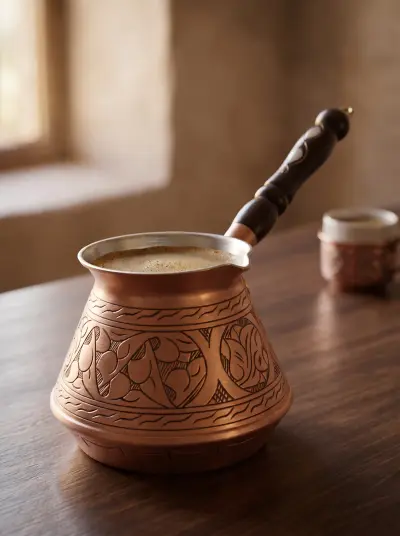
TC10055-4
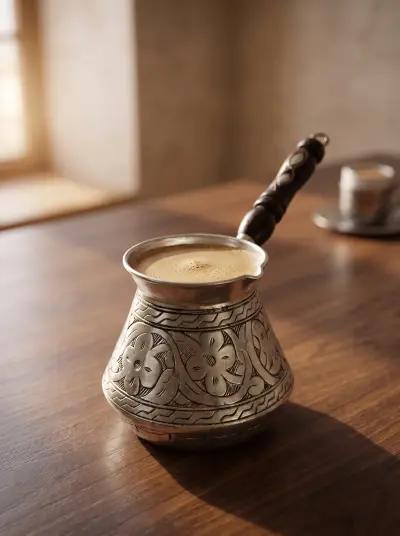
TC10055-6
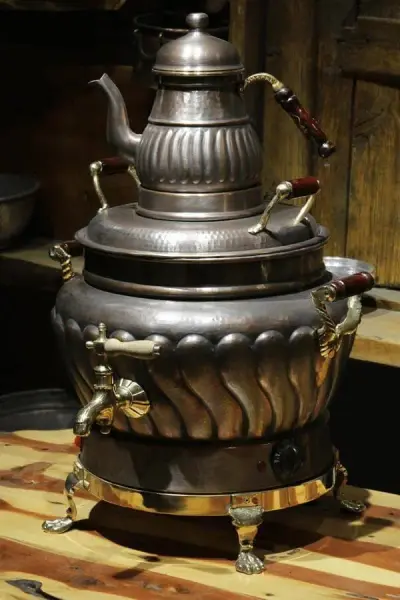
TC10076-3
Because bare copper reacts with acidic food, and tin is the traditional way to put a non-reactive surface between the two. Molten tin bonds to hot copper by hand, leaving a thin continuous layer that barely interferes with the heat conduction buyers are paying copper for. It is also repairable, which no other lining is.
Yes, when the lining is continuous and the pan is used within the limits of that lining. Food never touches copper in a properly lined pan, it touches tin. The operational conditions are simple: no empty pan on high heat, no very high temperature frying, and lining condition checked on a routine rather than after a complaint.
Tin melts at 232 degrees Celsius. That is a property of the metal, not a manufacturing defect, and it belongs in the instructions shipped with the product. Liquid food never reaches it. The limit is crossed when an empty pan is left on high heat, in very high temperature frying and in sugar work. Stainless lining sits far above the kitchen range.
There is no fixed interval, and any supplier quoting one is guessing. Frequency depends on usage intensity, the acidity of what is cooked, the heat regime and cleaning habits. A pan turning several services a day and a serving piece used weekly do not share a schedule. Inspect visually on a routine and keep spare units so the kitchen is never forced to use a worn pan.
No. Machine detergents are alkaline and abrasive, they dull the tin surface and shorten lining life measurably. Tin lined pieces are washed by hand with warm water and a mild detergent. For stainless lined pieces, follow the manufacturer instruction, but note that the copper exterior loses its colour in a machine, which is a repolishing cost rather than a safety issue.
Silver lining exists, mostly in antique and luxury pieces. Silver is non-reactive and melts far above tin, so it removes the heat limit, but it is expensive, rarely offered by production workshops and difficult to source as a repeatable line item. For commercial procurement the practical comparison remains tin against stainless.
No. A freshly tinned surface is bright silver and dulls to a matte grey with use. That is normal ageing and should be described in the use instructions, because staff who are not told this scrub the darkening as if it were dirt and destroy the lining. The real warning signs are reddish copper showing through over a wide area, blistering or flaking.
Three items as a minimum: the lining type per line item, a clause that the lining is continuous across the whole interior with no gap at the rim roll or the base corner, and whether the workshop offers a retinning service for tin lined items. Add a fourth for tin lined lines: the heat limit warning must appear in the shipped instructions.
Other guides covering the same stage of the buying process - continue reading here.
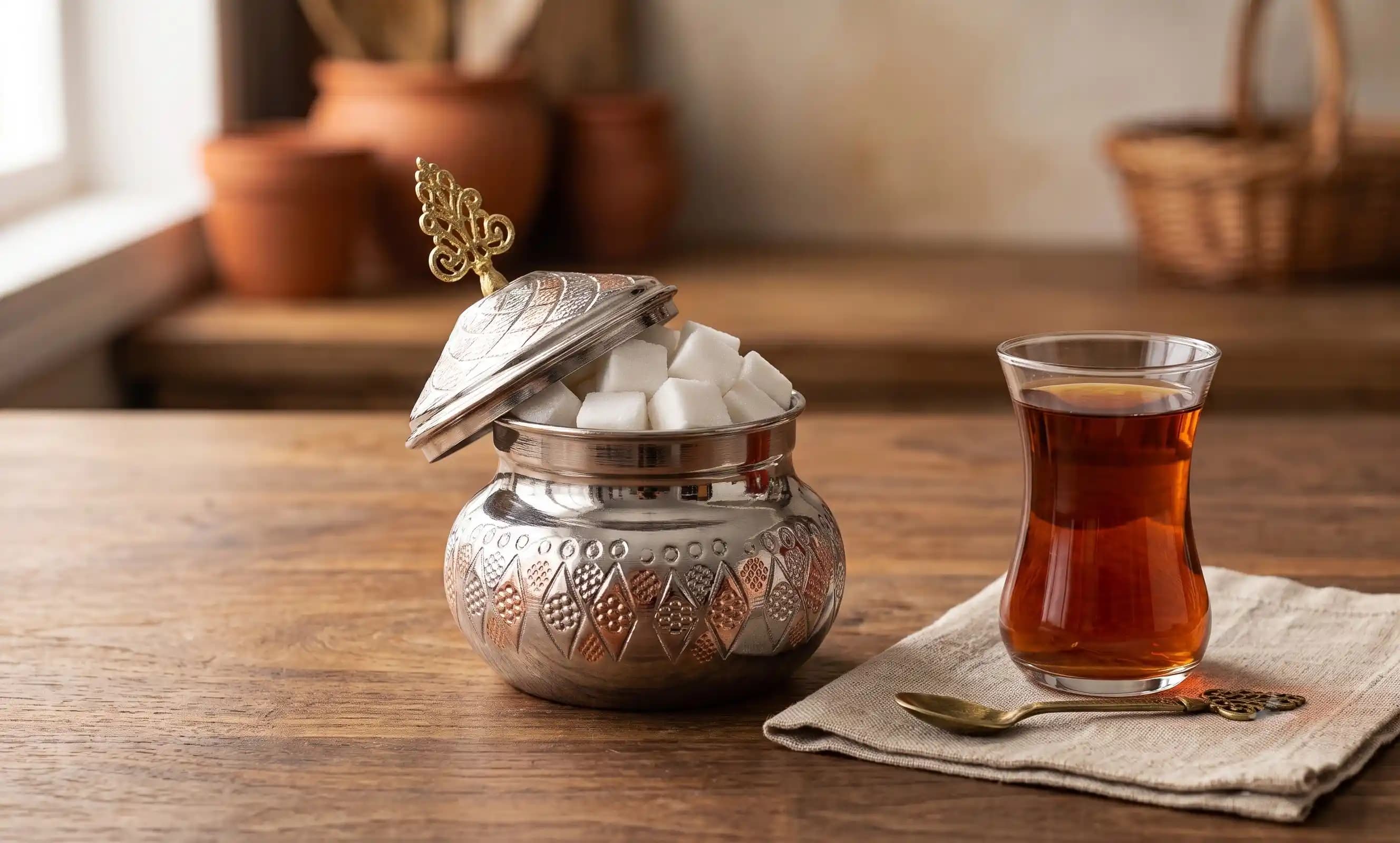
Copper, brass and cupronickel share one tariff heading but are three materials. Alloy definitions, the lead question and the spec lines that separate them.
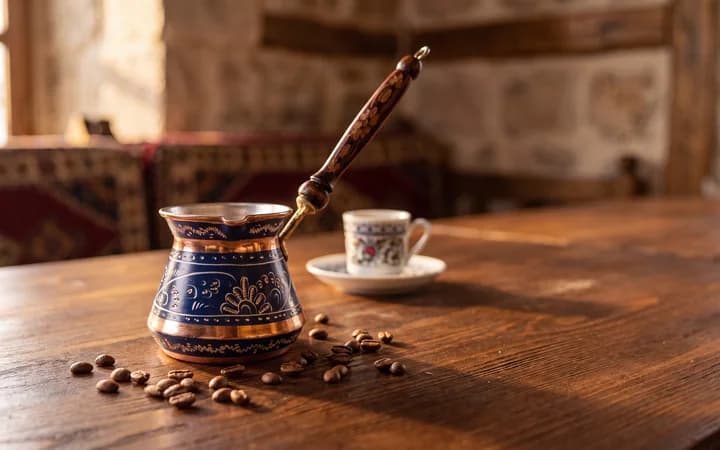
Copper alone is not a specification. How to write solid copper, tin-lined and hammered into an RFQ, tell copper from copper-coloured metal, and read quotes.
Exterior finishes on copper cookware compared: hammered, mirror, brushed, antique patina and lacquer, with the spec lines and batch tolerances buyers leave out.
Add the products you need to your quote list with quantities and send it by WhatsApp, e-mail or the form. We reply with unit prices and delivery terms.