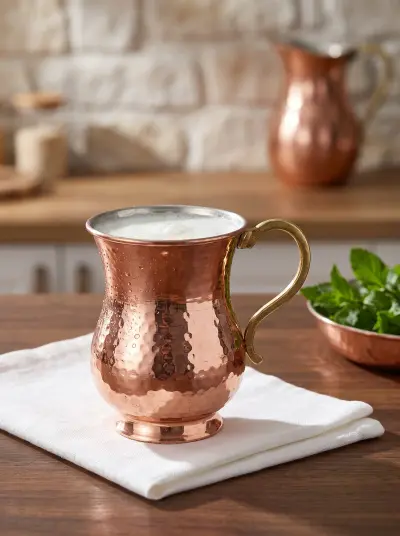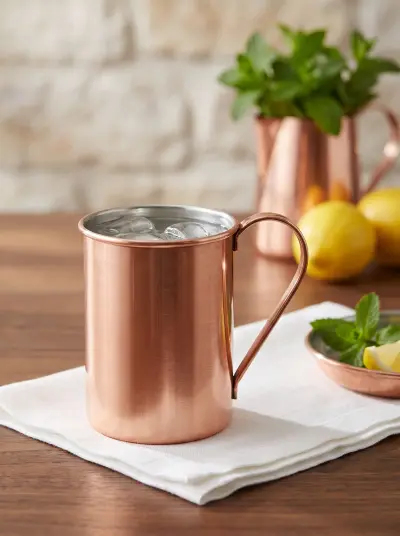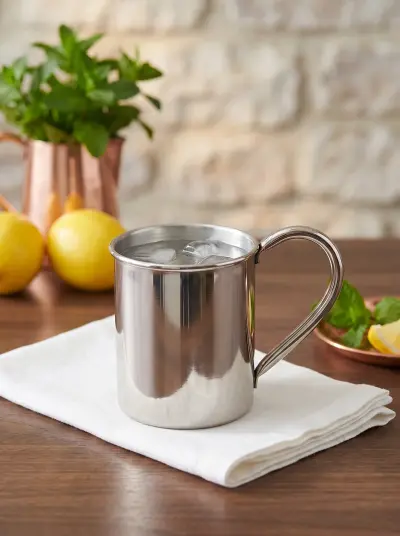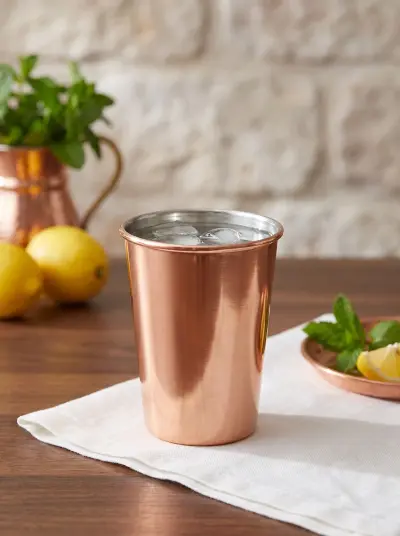
Lungo Copper Tumbler — 530 ml, smooth, polished copper
TC20020-1
Sourcing copper samovars and tea urns at wholesale: heat source, working capacity in litres, tin lining, wall thickness, tap assembly and spare part supply.

Browse the range, add the pieces you need to your quote list and ask for prices in one message. No account, no online prices.
Three lines settle a copper samovar or tea urn order before price enters the conversation: the heat source, the working capacity in litres, and whether the water-facing interior is lined. Without them, competing quotes describe different products. A fourth line matters almost as much: taps, gaskets and teapots must be separately resupplied.
The most expensive mistake in this category is not technical; it happens in the wording of the purchase order. Writing "samovar" while expecting a large kettle on a warmer stand invalidates the entire quotation round.
A samovar heats water in its own body. The heat source passes through or under the body, a teapot sits on top, and service runs from a tap, so heating, brewing and pouring are combined in one unit. A tea urn is a large-volume vessel that only heats water; the teapot stands beside it rather than on it, and the service plan is built around two vessels. A heated teapot stand is the third and smallest item: it does not boil water, it only keeps a pot warm from a fuel cup or an element.
The three differ in spare parts, cleaning burden and price logic. The product group sits in the teapot and samovar category, the pre-order disambiguation band that helps you decide which item to write down. This article covers the step after that decision: the sourcing process itself.
Any price given without a stated heat source rests on an assumption. The same body can be built around three different heat assemblies, and their cost, lead time and installation requirements are not comparable.
| Heat source | Where it works | What the RFQ must state |
|---|---|---|
| Charcoal or wood | Flued space with extraction | Flue diameter, grate and ash pan, body connection |
| Electric element | Enclosed room, fixed counter | Wattage, mains voltage, plug type, thermostat, dry-run cut-out |
| Tabletop fuel cup | Buffet line, short hold times | Cup dimensions, fuel type, how the body seats on it |
The charcoal body remains common in traditional tea houses and outdoor service, but it cannot be used indoors. That is a ventilation constraint, not a style preference, and it should be settled before any drawing is exchanged. An electric body solves the indoor problem and creates four new specification lines instead: element wattage, mains voltage, plug type, and whether a cut-out interrupts the circuit when the vessel runs dry. All four change by destination market.
For export orders one distinction is worth stating plainly. An electric samovar is not only a food contact vessel; it is also an electrical appliance, so it enters a conformity route a plain body does not, and its tariff classification can differ as well. This article maps that question rather than settling it; confirm both with your own customs broker. The food contact side is covered in the food contact copper compliance guide.
Capacity is the most frequently misread line here, because a single number never describes the vessel. Brim volume and safe working volume are different figures: boiling water expands and the body is never filled to the top. Service planning follows the smaller figure.
A third number is the volume of the teapot on top. If the teapot ships with the body, its size belongs on its own line; if it is bought separately, the quote must say which body code it matches. On a breakfast line the ratio between pot and body drives service speed: too small and staff re-brew constantly, too large and the tea sits and flattens.
Derive the capacity decision from service tempo rather than guest count. What matters is how many cups are drawn simultaneously at peak and how long the body takes to recover heat. In most breakfast lines two medium bodies beat one large body, because one recovers while the other keeps serving. If you are specifying the whole buffet at once, the hotel and restaurant copper sourcing guide covers the adjacent items.
Samovars and tea urns hold water longer than any other item in a copper range. The body is full and hot for most of the working day, which makes the interior lining an operating condition rather than a finish detail.
Tin is the established solution in Turkey, and it melts at roughly 232 degrees Celsius. While water is boiling the liquid stays far below that, but the zone where the heat source touches the metal can run locally hotter even with water inside. So the specification question is precise: which part of the body does the heat source contact, is that zone lined, and how is the lining protected there.
A tin lining is a consumable. It is renewed on a cycle that depends on use, and the retinning guide sets out how to plan that cycle and what drives its cost. Scale build-up deserves a separate line in hard water areas: deposits reduce heat transfer and the descaling routine itself can attack the lining, so acid descalers are often the wrong choice. Ask the workshop in writing which cleaning method is safe on tin.
The cycle also shapes fleet planning, because a body being retinned is out of service. Asking for the expected renewal interval at quotation stage lets you see the real cost of the equipment in the first order rather than the third year.
These four items determine service life and are most often hidden in a quotation.
Two different products are sold under one name, and most of the price gap comes from here. A solid copper body is formed throughout from copper sheet. A plated product has a stainless steel or other base metal with a thin copper layer applied to the outside; it looks like copper and does not behave like it.
Both are legitimate products. The problem is the second being sold as the first. One line in the RFQ is enough: what is the body material, how many microns is the copper layer if there is one, and is the interior plated too. Copper has a density of roughly 8.96 grams per cubic centimetre against roughly 7.9 for stainless steel, so at equal volume and thickness a solid body is noticeably heavier in the hand. A strong magnet held against the outer body is the fastest check: solid copper does not hold it, plated steel does. Because the interior may carry a steel liner, the test is always performed on the outside.
The distinction matters more here than in a pan, because the body sits under heat for hours and the two constructions do not conduct, recover or accept retinning alike.
Wall thickness is written in millimetres. A samovar body is a closed form, so it cannot be measured with a caliper from the rim; closed forms are measured from one side with an ultrasonic gauge. Method and tolerance both belong in the acceptance criteria, otherwise the figure means nothing. What tolerance is reasonable is covered in the wall thickness specification guide.
Seams are the critical geometry here. A body can be spun from one piece or formed from sheet and joined. If there is a joint, ask for the method, and where solder is used, specify lead-free solder. Position matters as much as method: a seam below the water line carries far more load.
The tap assembly is where most leaks appear. Ask how the tap attaches, what the gasket is made of and whether it withstands boiling water, and whether the tap can be replaced without dismantling the body. One service detail is routinely missed: the tap height must suit the cup or glass the venue actually uses.
Samovars and tea urns are multi-year equipment and their failures come from the same three parts: the tap, the gasket and the top teapot. Ask about resupply in the first order; asked two years later, the answer is usually that the tooling has left the bench.
| Part | Why it needs its own code | What to ask in the quote |
|---|---|---|
| Tap and gasket | Most leaks originate here | Sold separately, and supply commitment in years |
| Top teapot | Drops and handle breaks are common | Is a matching replacement available |
| Strainer and lid | Lost or deformed in service | Held in stock, is the size standard |
| Heat assembly parts | Elements, grates and ash pans wear | Field replaceable, and by whom |
Adding those four lines to an RFQ costs nothing and changes the total cost of ownership outright. A samovar is a ten-year asset, and the cost of those years is retinning plus spare parts, not the purchase price.
A samovar is not back-of-house equipment; the guest sees it. A hammered surface hides fingerprints and water marks. Mirror polish shows every wipe and demands constant attention in a busy service. An antique patina finish treats darkening as part of the design and carries the lowest maintenance burden.
The decision is never taken alone. A samovar stands next to trays, bread baskets and chafing dishes, and a mismatch between finishes is more conspicuous than a mismatch between shapes. Sourcing the line in one batch, and from one workshop where possible, is the usual remedy.
For branding, engraving and embossing are the practical methods. Ink based methods are unsuitable on a heated body, so the safest logo placement is above the water line, away from the heat assembly.
The gap between two quotes for the same item is usually scope, not price. These headings make the comparison meaningful:
Write them item by item into the message that goes with your quote list, and the wholesale quote that comes back prices exactly those lines. How order thresholds, cost lines and lead times are built is set out in the MOQ, price and lead time guide; for the coffee side of the same service, see the Turkish copper coffee pot guide.
Unlike most copper items, a sample here has to be tested in working condition. Inspecting an empty body proves nothing.
Leak test. Fill the body completely and look along the seams and at the tap connection with the tap closed. Then cycle the tap open and shut several times; the gasket should seat within the first ten cycles without dripping.
Working trial. Connect the heat source and bring the body up to temperature. On an electric model, observe element noise, time to temperature and thermostat cut-in. On a charcoal model, check the flue draw and whether the ash pan can be emptied in service.
Lining continuity. Light the interior and confirm the lining runs continuously into the bottom corner, inside the tap throat and along the seam line. The most common defect is a skipped zone where access is difficult.
Stability and handling. A full body is heavy. Test base flatness, handle attachment and tipping resistance when full, and if the handles are insulated, confirm they can be held once hot.
How to request samples, what pre-production approval involves and how acceptance criteria are drafted is set out in the sample order and pre-production approval guide. To pick pieces in this product group, start from the catalogue.
A samovar heats the water inside its own body and carries a separate teapot on top, so heating, brewing and service happen in one unit. A tea urn is a large-volume vessel that only heats water; the teapot sits beside it and service runs from a tap. Listing both on one RFQ line makes the returned quotes impossible to compare.
It depends on ventilation, not on preference. A charcoal or wood fired body needs a flue and an extraction path, so it cannot be used in an enclosed dining room. An electric body solves that but introduces new specification lines: element wattage, mains voltage, plug type, thermostat behaviour and dry-run protection all change by destination market.
The interior holds hot water for most of the working day, so a lining is expected, and tin is the established solution in Turkey. Tin melts at roughly 232 degrees Celsius, which is why the specification must describe exactly where the heat source touches the body and how the lining is protected in that zone.
Ask for two numbers separately: brim volume and safe working volume. Service planning always follows the smaller figure, because boiling water expands and the body is never filled to the top. The volume of the teapot that sits on top is a third line, and it must appear in the quote if the teapot is supplied with the body.
Ask this in the first order, not two years later. If the tap, gasket, strainer and top teapot each carry their own part code and can be ordered separately, a single leak does not condemn the whole unit. Ask in writing whether the workshop stocks these parts and for how many years it commits to supply.
An electric samovar is both a food contact vessel and an electrical appliance, so it enters a conformity route that a non-electric body does not, and its tariff classification can also differ. This guide maps the question rather than answering it for your market; confirm the classification and the applicable route with your own customs broker before you order.
There is no fixed list price. The drivers are solid copper versus copper plated construction, wall thickness, volume in litres, the heat assembly, tinning labour, surface finish and order quantity. Because copper is an exchange traded commodity, quotes are normally issued with a limited validity window rather than as a standing price.
Other guides covering the same stage of the buying process - continue reading here.
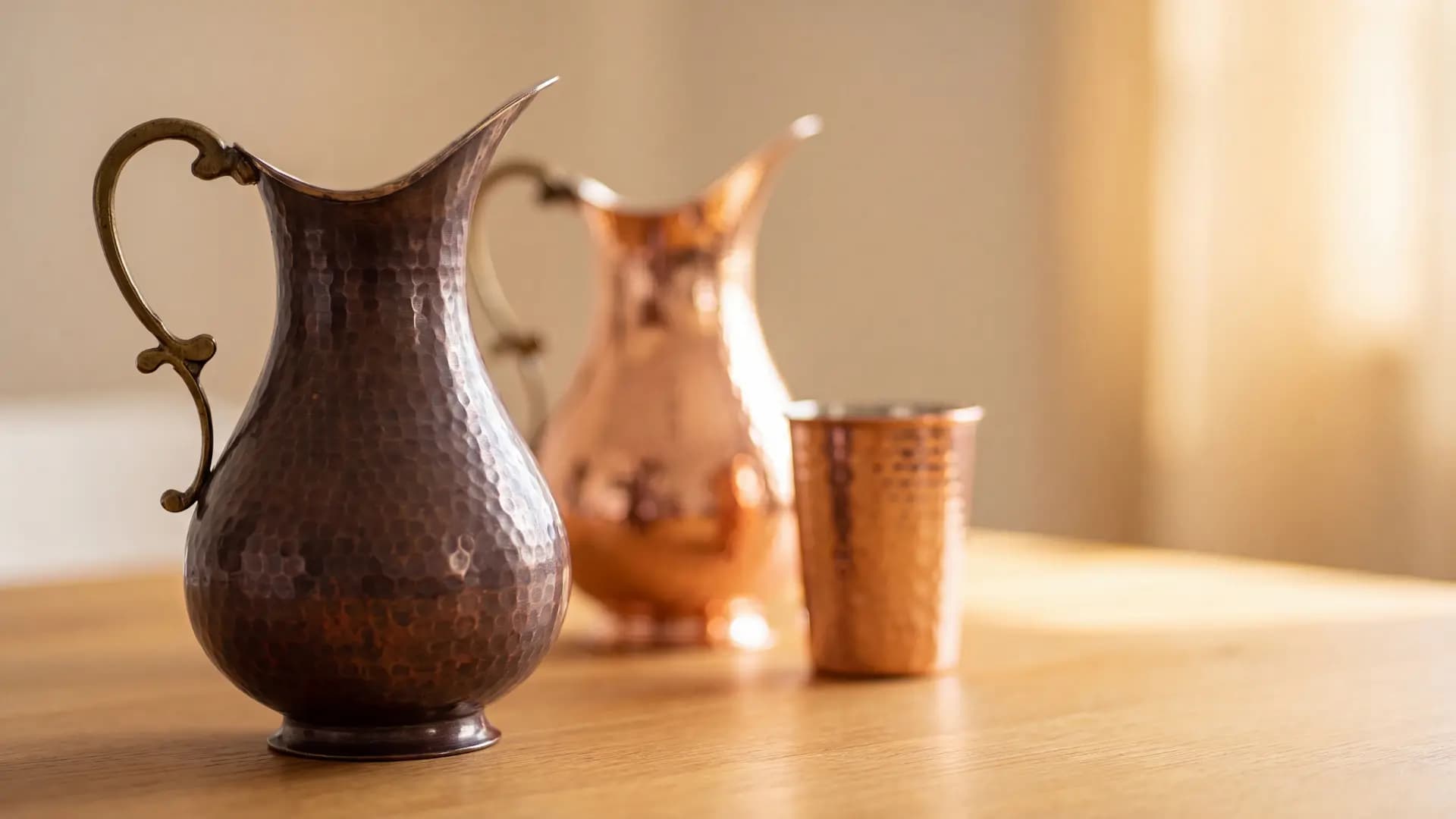
Wholesale copper water pitchers for restaurants: capacity per table, spout and handle, solid vs plated, lining for lemon water, finish, care and quantities.
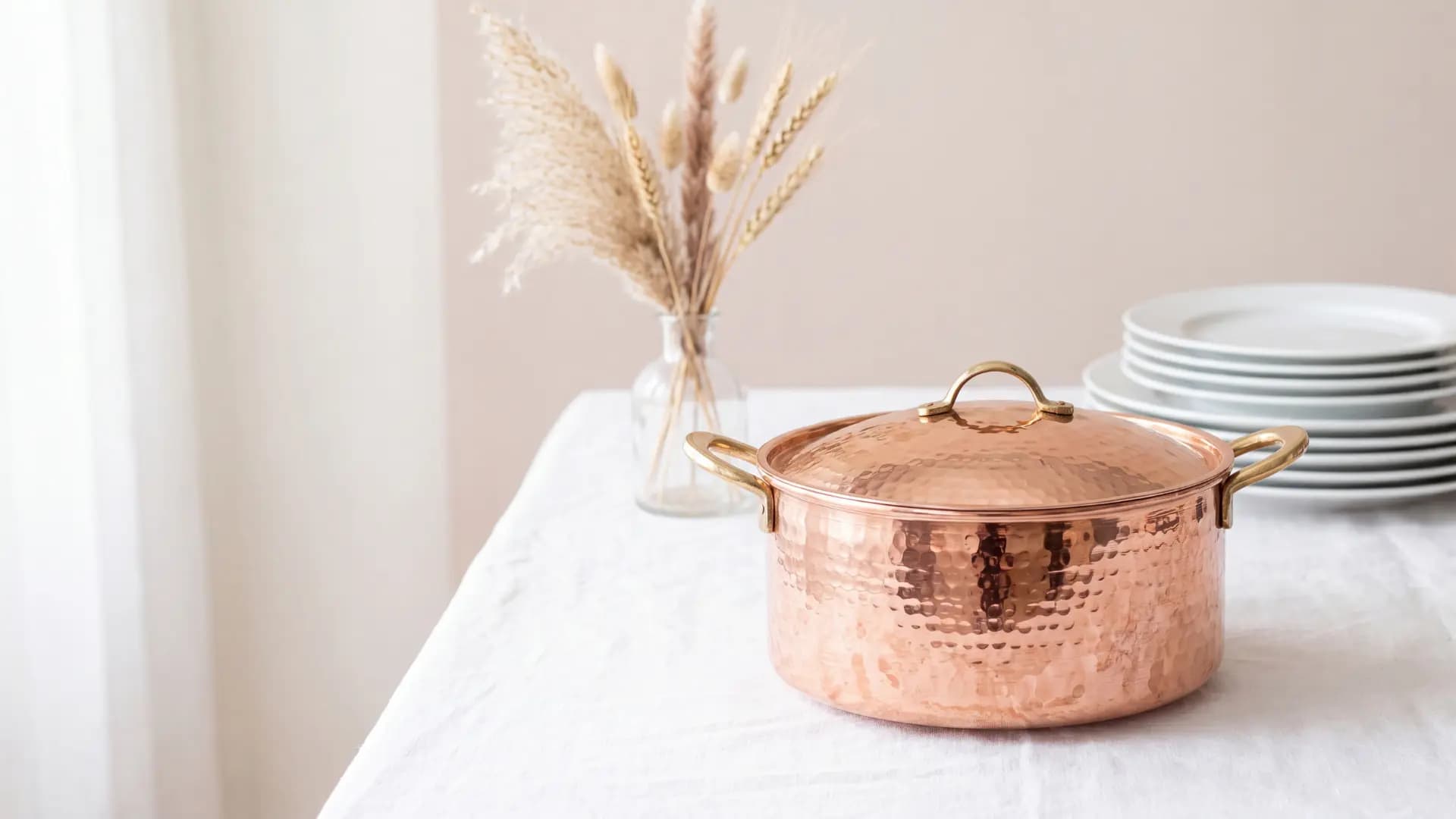
How to plan a first mixed wholesale copper order from Turkey: choosing a trial range, reading stock codes, setting quantities and writing a quote request.
How to buy wholesale copper pots, frying pans and Turkish tea kettles from Türkiye: sizes, sheet gauge, lining, finish, price drivers and one RFQ for all three.
Add the products you need to your quote list with quantities and send it by WhatsApp, e-mail or the form. We reply with unit prices and delivery terms.